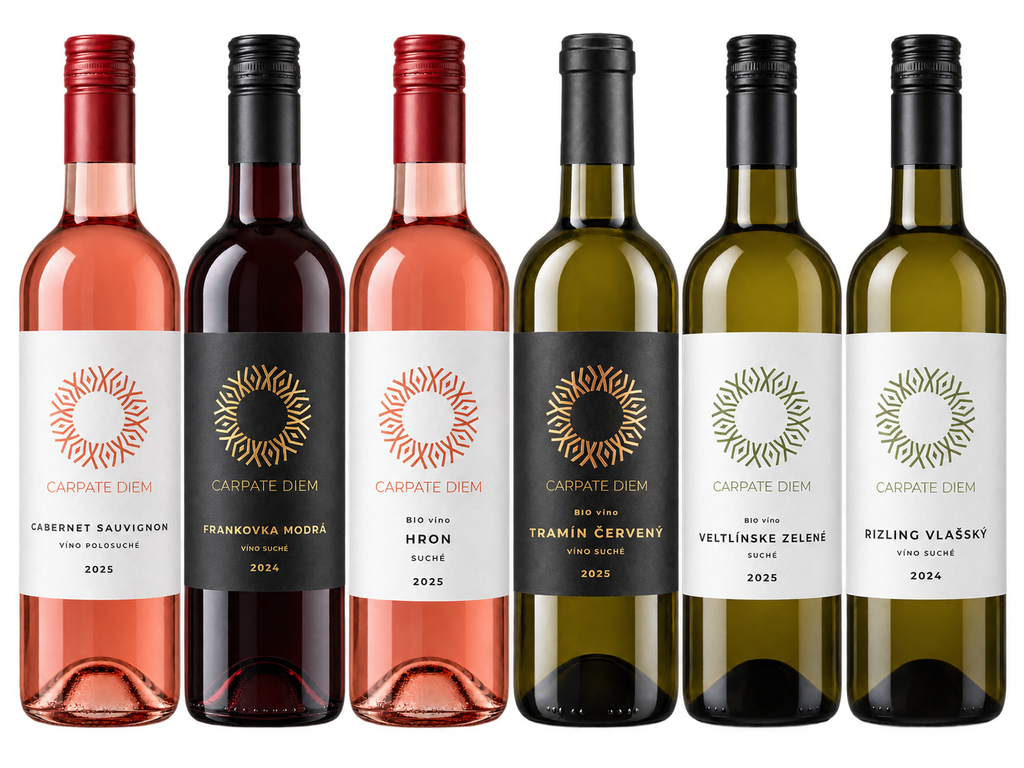
Wines with virtually no histamine
Histamine forms naturally in wine during fermentation. Some wines may contain more of it, while others significantly less—it depends on the quality of the grapes, the purity of the processing, and the fermentation method. At Carpate Diem, we produce wines so that the histamine content is as low as possible. For selected wines, we have a histamine level below 0.10 mg/l, as confirmed by a certified laboratory.
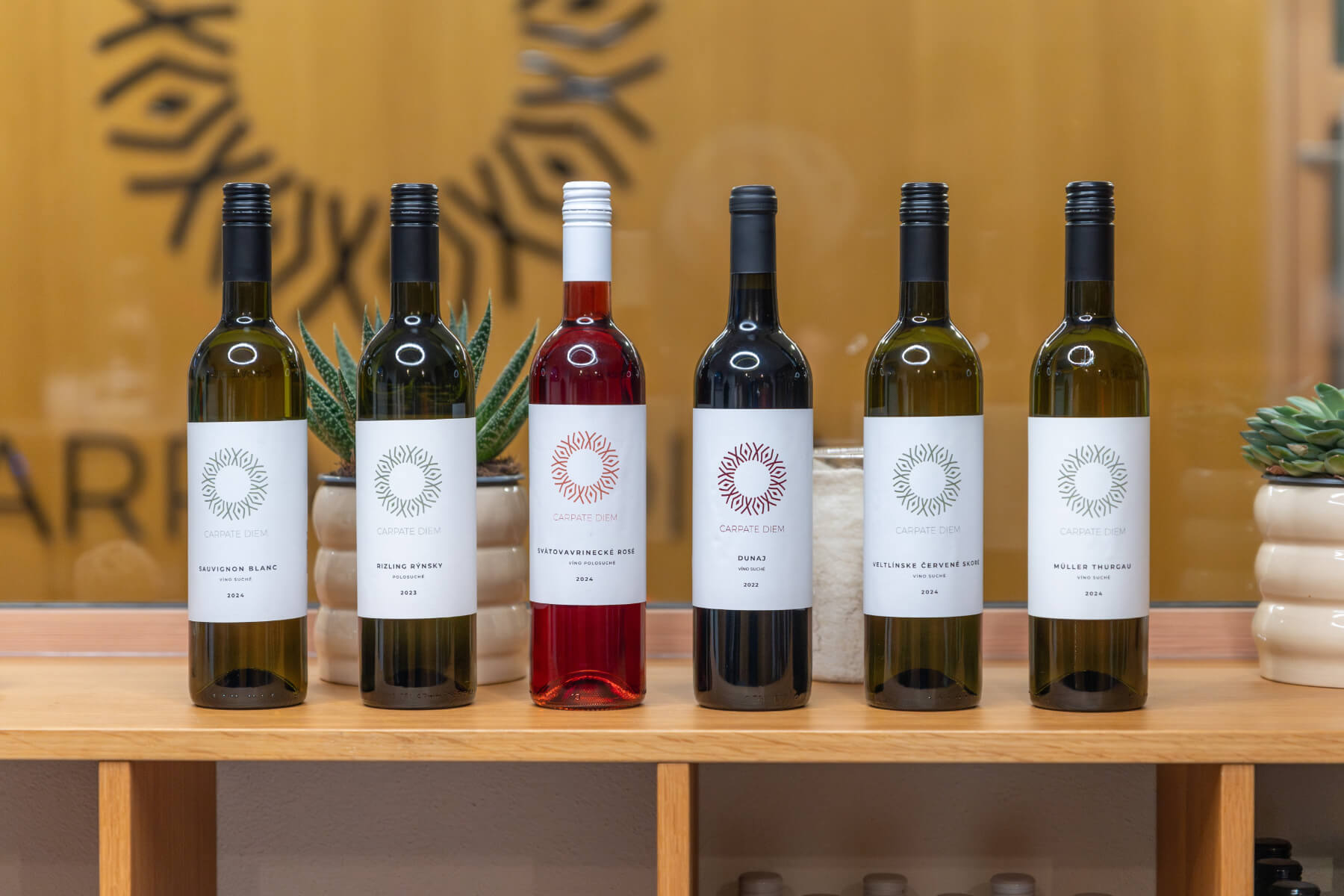
What Is Histamine and Why Are We Talking About It?
Histamine is a naturally occurring substance that can also form in fermented foods and beverages, including wine. Its concentration in wine is primarily influenced by the condition of the grapes, the fermentation process, the microorganisms used, and production hygiene.
For most people, histamine in wine is not an issue. For people with reduced tolerance, however, the difference between wine with higher and very low histamine content can be significant. That is why we send every wine we label as low-histamine for laboratory testing.
Regular wine has a histamine content ranging from 0.5 to 30 mg/l. Our selected wines have a histamine content below 0.10 mg/l. For comparison: the typically recommended safe limit for people with histamine intolerance is around 1–2 mg/l. Our wines are therefore well below this limit.
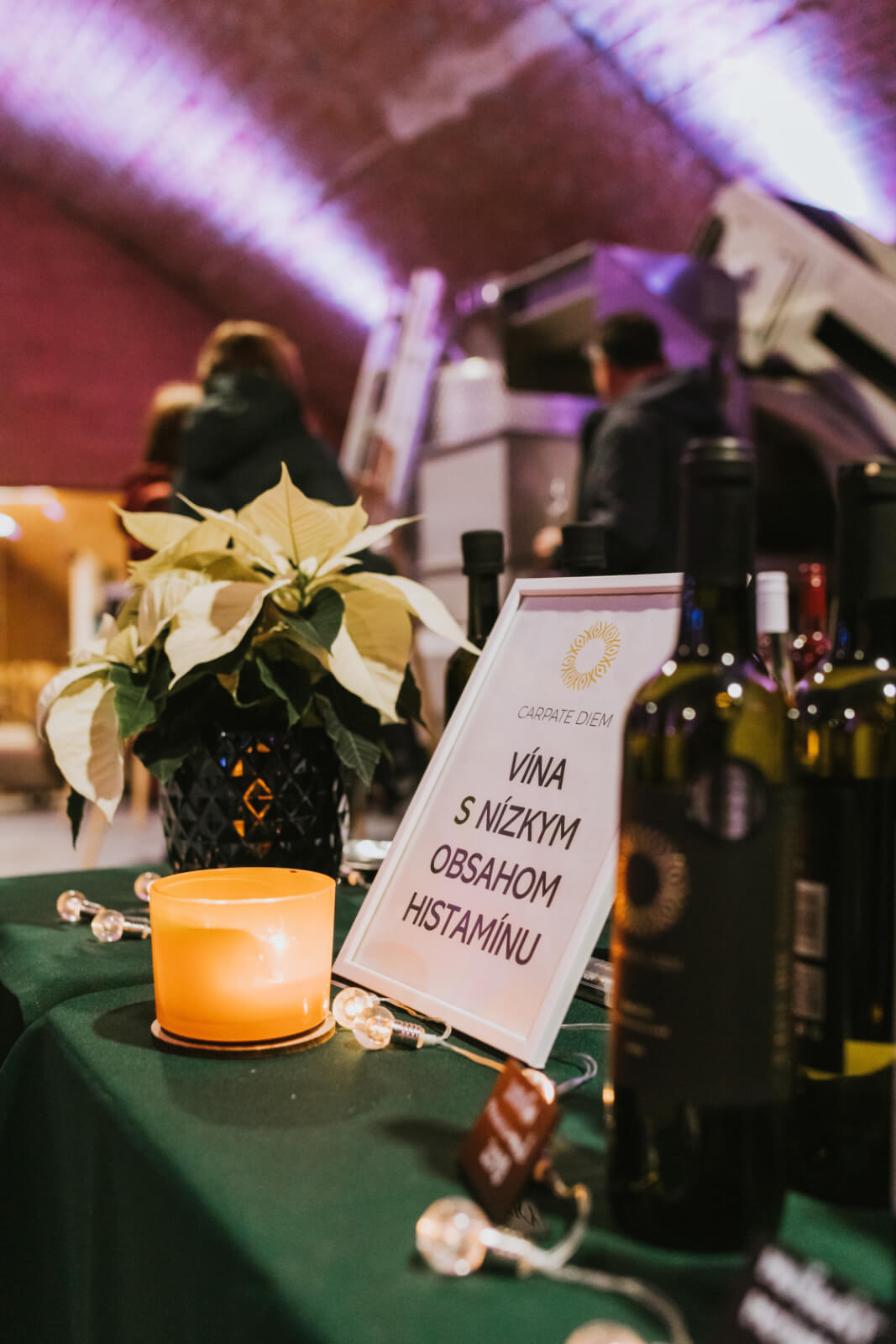
How We Achieve This
The low histamine content is no accident. The journey toward it begins in the vineyard and continues with every decision made in the cellar—from harvest to bottling.
Healthy and clean grapes.
Histamine can form even in damaged or moldy grapes. That’s why we harvest carefully, sort the grapes, and get them to the winery as quickly as possible so they don’t ferment in containers exposed to the sun. The shorter the time the grapes spend waiting to be processed, the less opportunity there is for undesirable processes to occur.
Rapid processing after harvest
Our vineyards are close to the winery, so the grapes don’t have to travel for hours after harvest. Rapid transport and immediate processing are key to producing low-histamine wines.
Controlled fermentation and monitoring of malolactic fermentation. Most histamine is produced during malolactic fermentation when it is carried out by “wild” bacteria. We either completely suppress this phase or carry it out using selected cultures that do not produce histamine. We continuously monitor and track the entire fermentation process.
Cellar hygiene.Histamine is also produced by contaminated barrels, hoses, or containers. In the cellar, we ensure maximum hygiene at every step: rinsing, sanitizing, and monitoring temperature and humidity.
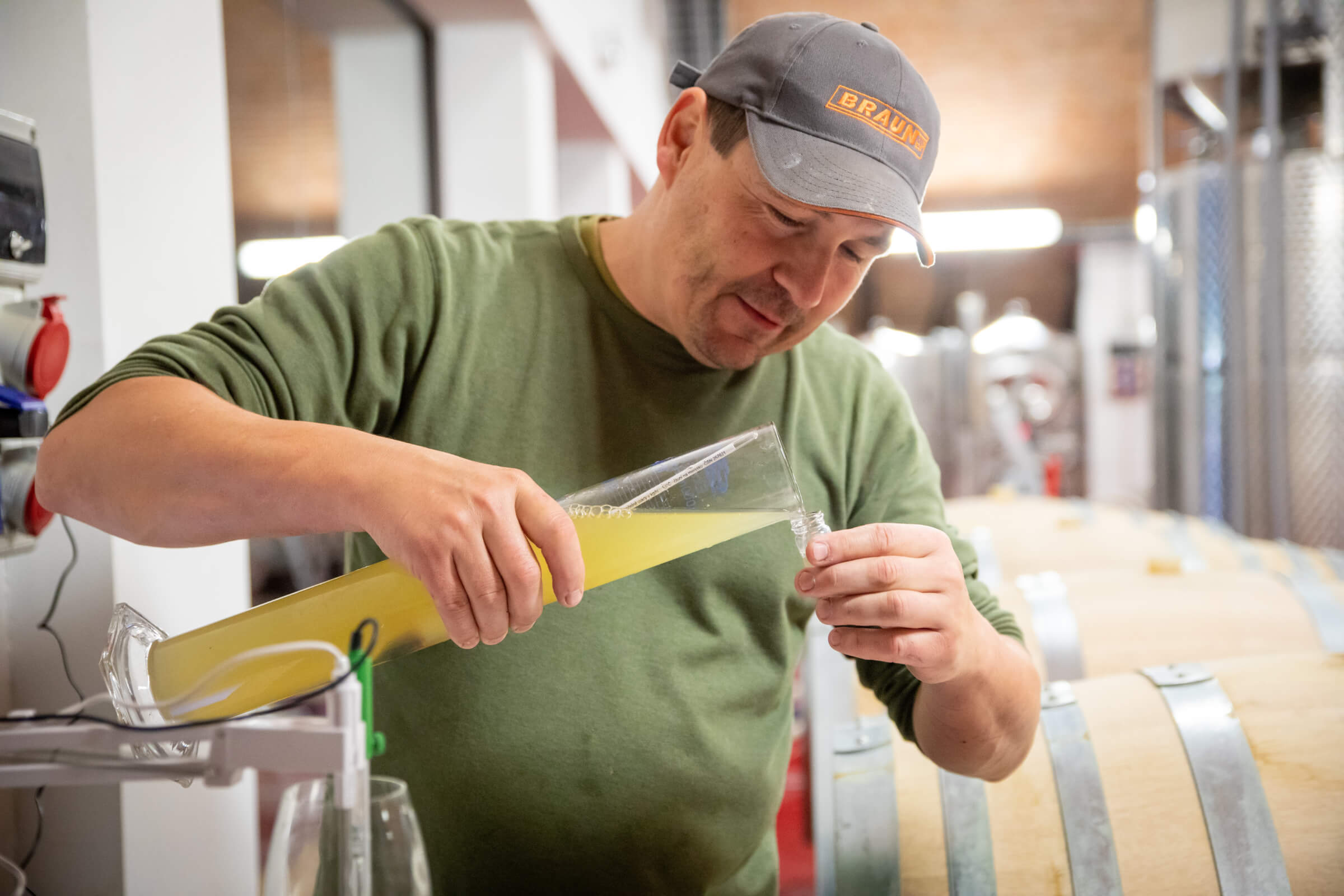
Laboratory testing of each vintage. We do not label wines as “low-histamine” based on personal perception. Every wine we market as such has had its histamine content verified by a certified laboratory.
Who Should Consider Low-Histamine Wines?
Low-histamine wines may be of particular interest to people who associate regular wine with unpleasant reactions or who need to monitor their dietary histamine intake. We are not doctors and do not provide medical advice; therefore, we always recommend that you follow your own tolerance levels and, if you have a diagnosis, the advice of a healthcare professional.

Frequently Asked Questions
Are low-histamine wines completely free of histamine?
No. Wine is a fermented beverage, so it may contain trace amounts of biogenic amines. Our low-histamine wines have a histamine content below 0.10 mg/l, as confirmed by laboratory testing.
Ordinary wine can contain between 0.5 mg/l and 30 mg/l of histamine, depending on the grape variety, production methods, and type of fermentation. Red wines generally contain more histamine than white wines.
At first, it was just a coincidence. Members of the histamine-sensitive community began recommending specific vintages of our wines to one another—ones that agreed with them. Today, a large portion of our loyal customers consists of people who, for years, didn’t believe they could drink wine again without experiencing adverse effects.
Not automatically, but ours do. Organic and low-histamine are two different characteristics. In our case, our wines meet both criteria, but always check the specific label for each wine.
They are not a distinct style of wine. Among them, you’ll find white, rosé, and red wines.