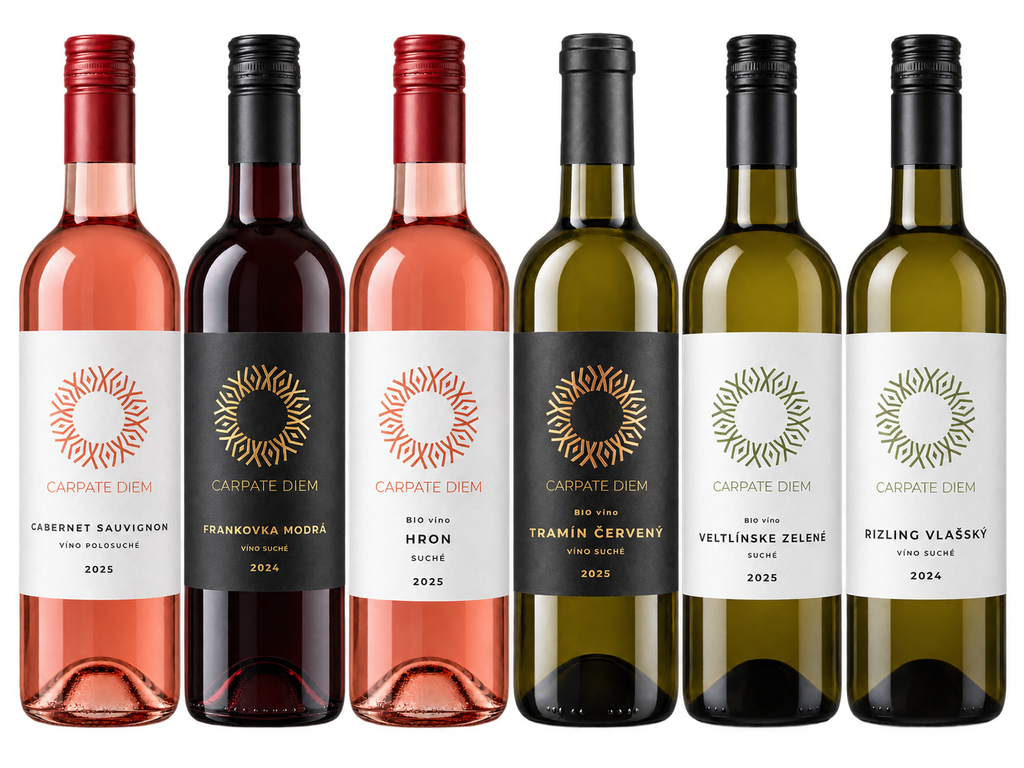

The First Organic Wines from the Little Carpathians
For us, “organic wine” is not just a label on the bottle. It’s the way we care for our vineyard—without chemical pesticides, insecticides, or herbicides, and with respect for the soil, the grapes, and the people who work in the vineyard. At Carpate Diem, we work exclusively with grapes from our own organically farmed vineyards. We are proud to be among the first wineries in the Little Carpathians to have embarked on the path of organic farming.
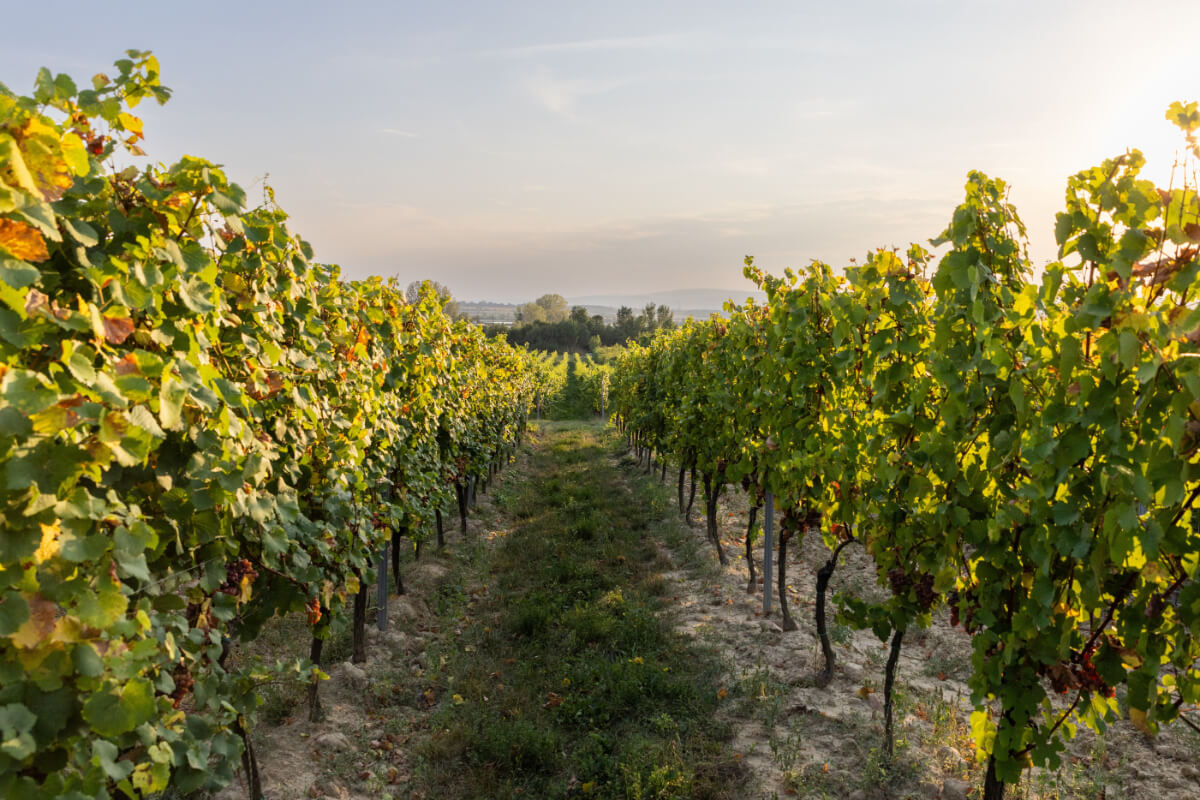
Our Organic Vineyards
We cultivate 13 hectares of our own vineyards in the Modra wine-growing region, within the municipal boundaries of Modra and Šenkvice. Our vineyards are situated on the southern and southeastern slopes of the Little Carpathians, in locations where sunshine, wind, and Carpathian soil converge.
We’ve thought about sustainability from the very beginning, but certified organic farming has its own rules. The transition from conventional viticulture takes at least three years. During this time, the winegrower must adhere to all organic practices, even though the grapes cannot yet be labeled as organic. Today, all of our vineyards are fully organic.
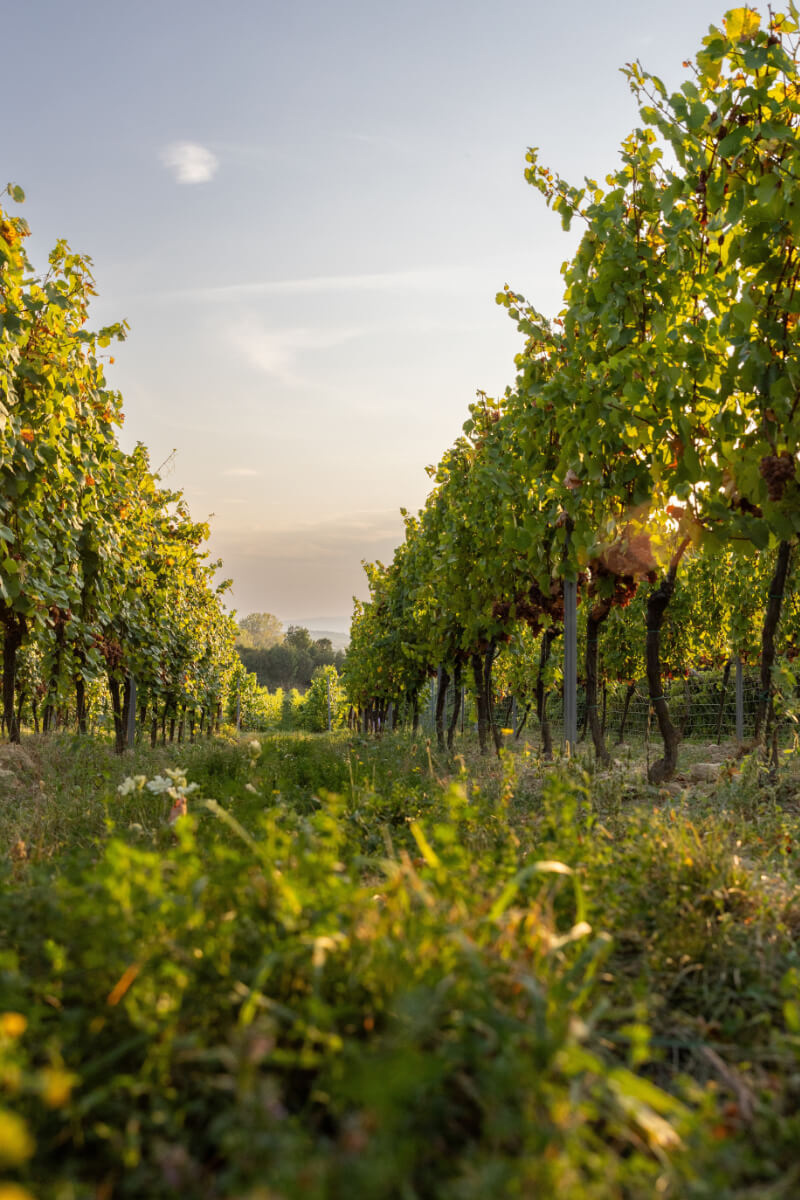
How We Care for Our Vineyard Using Organic Methods
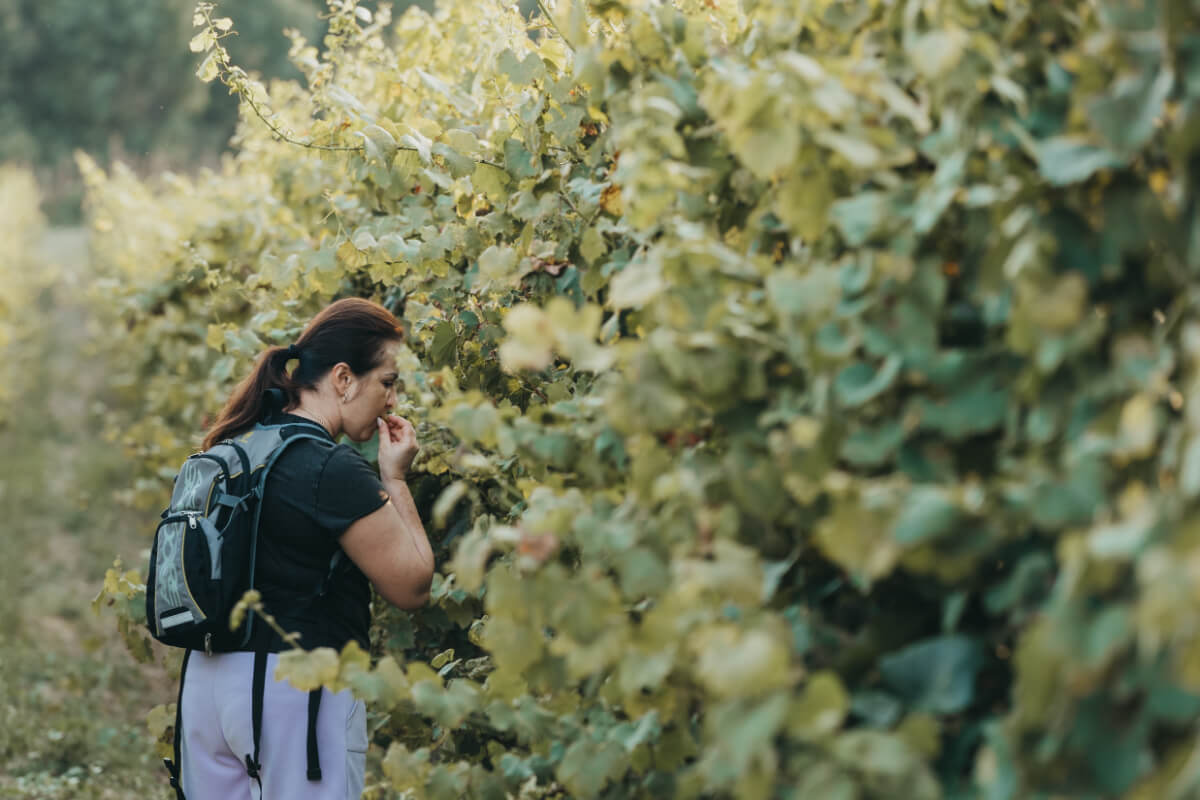
In an organic vineyard, there is no single, universal spray that works for everything. Every year is different—sometimes we struggle with a wet April, other times with a dry August. That’s why we monitor the vineyard daily and make decisions based on our experience, weather forecasts, and local conditions.
Vine Protection. We strive to address vine protection holistically, taking into account the interconnection between the vineyard and local conditions at any given time. The goal is to prepare the vineyard for stressful situations so that it can cope with them without the use of chemical products. That is precisely why we use products that stimulate the vine’s immune system, while also protecting the vineyard’s ecosystem and surroundings and supporting the restoration of the area’s microflora. All products are plant-based and, of course, approved for use in organic farming.
Soil. We try to disturb the soil as little as possible, and when we do, we work only in the top layer up to 10 centimeters. Between the rows, we sow herbs and various plant mixtures aimed at restoring soil life, retaining as much moisture as possible, and improving soil structure.
Fertilization. We enrich the soil with manure and compost, which we produce from our own waste, thereby returning organic matter to the vineyard.
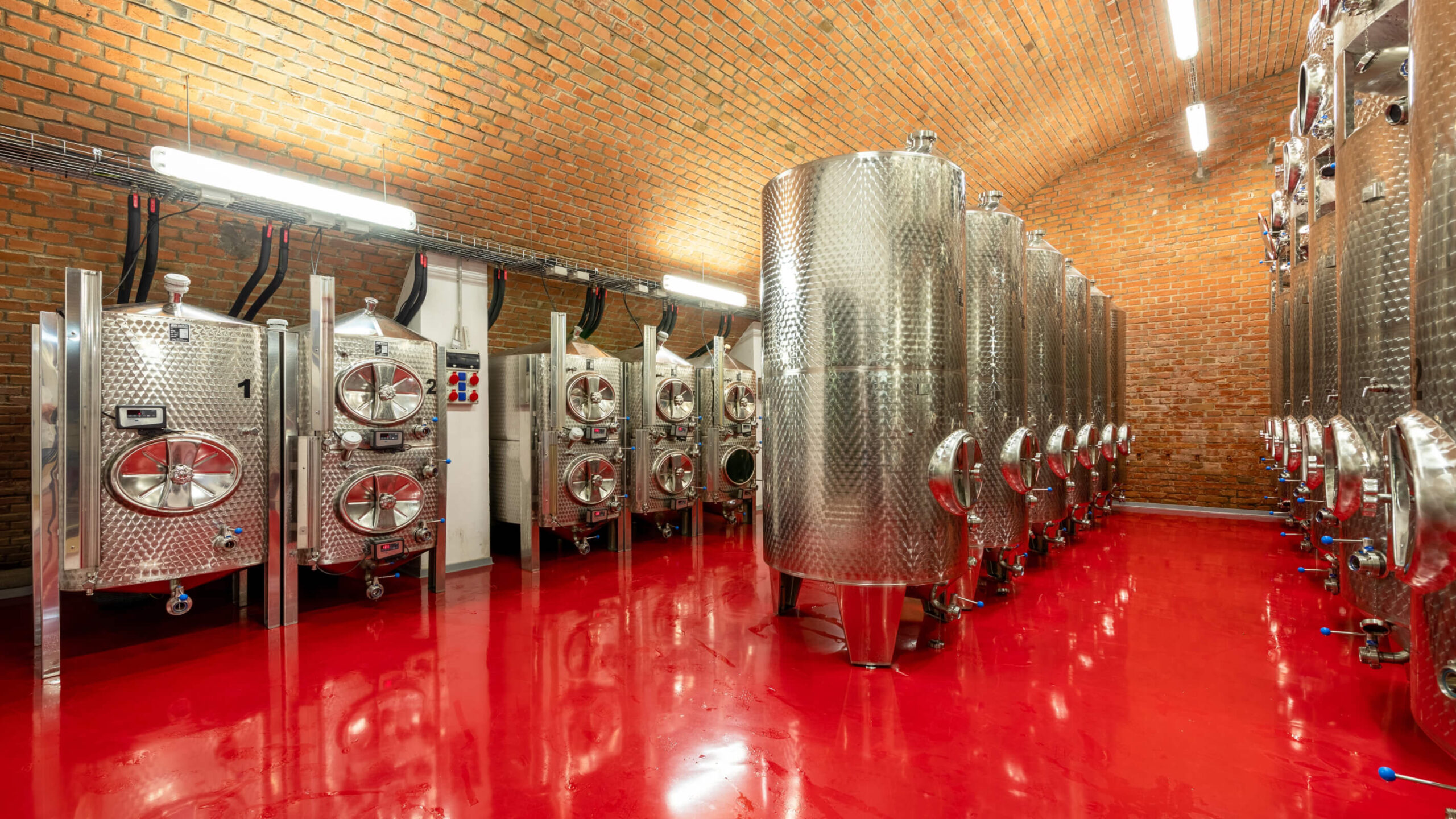
Work in the cellar. We handle the grapes from our organic vineyard with care to preserve the qualities they brought from the vineyard. We avoid unnecessary intervention in the wine and use sulfites only in the small amounts necessary for its stabilization.
Certification — Proof, Not a Promise
Organic wine without certification is not organic wine. Our vineyards are regularly inspected by the authorized certification body Naturalis SK , which verifies compliance with organic farming regulations.
On the bottles of our organic wines, you’ll find the European organic logo—a green leaf made of stars. This label is the easiest way for customers to recognize certified organic wine. Words like “natural,” “eco,” or “authentic” aren’t enough on their own.
Frequently Asked Questions About Organic Wine
Organic wine is not a distinct “taste profile.” You’ll find both dry and sweet, light and full-bodied, white and red varieties. What you can expect from a good organic wine is assurance of purity in terms of pesticide and herbicide residues.
An organic vineyard requires more manual labor, more inspections, and usually a smaller harvest. Without synthetic herbicides, weeds cannot be eliminated with a single spray; they must be removed mechanically. Add to that the inspections and subsequent certifications. As a result, you have to pay more for each bottle—a higher price per bottle, but also wine produced without any compromises.
Not ours. Organic wine may contain sulfites, but stricter limits apply to it than to conventional wine.
Not automatically, but ours do. Organic and low-histamine are two different characteristics. In our case, our wines meet both criteria, but always check the specific label for each wine.
Three years. That is how long the so-called “conversion period” lasts, during which the winegrower must comply with all organic rules, but his grapes may not yet be labeled as organic. Only after three years of certification may the resulting wine bear the organic logo. The term “organic” is also synonymous with “BIO.”
Look for the European organic logo on the label. Without this certification and this label, the wine is not certified organic. You can find all certified organic wines in the global database of organic wines.
That’s not how we communicate it. Wine is still an alcoholic beverage. The “organic” label does not imply a health benefit, but rather refers to the method of growing grapes and producing wine in accordance with the rules of organic farming. However, we can say with certainty that it is cleaner in terms of the potential presence of pesticide and herbicide residues.